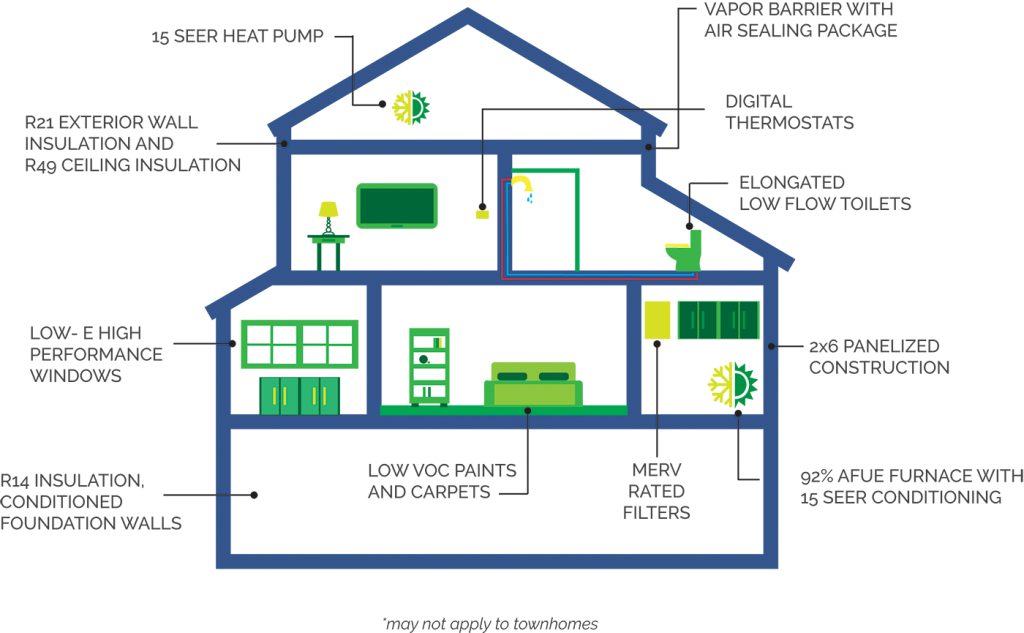
5 Simple Steps to Transform Your Home into an Energy Savings Machine
Transforming your home into an energy savings machine is easier than you might think. By following these 5 simple steps, you can reduce your energy consumption and save money on your utility bills. Start by conducting an energy audit of your home. This involves checking for drafts, inspecting insulation levels, and identifying outdated appliances. You can either hire a professional or use a DIY guide to help spot areas in your home that may be wasting energy.
Next, consider upgrading to energy-efficient appliances. Look for those labeled with the Energy Star rating, which indicates they meet strict energy efficiency guidelines. Additionally, implementing smart home technology, such as programmable thermostats and smart power strips, can significantly help manage your energy use. Lastly, empower yourself by incorporating more natural light and using energy-efficient lighting solutions like LED bulbs. By following these steps, you'll not only contribute to a more sustainable environment but also see a decrease in your energy costs.
How to Reduce Your Utility Bills: Tips for a Sustainable Home
Reducing your utility bills starts with making simple changes around the home that promote sustainability. Here are some effective strategies to consider:
- Insulate your home: Proper insulation in your walls, roof, and floors can dramatically lower heating and cooling costs. This ensures your home retains the desired temperature without overworking your HVAC system.
- Use energy-efficient appliances: When it's time to replace old appliances, choose those with the ENERGY STAR label, which indicates they meet energy efficiency guidelines set by the U.S. Environmental Protection Agency.
- Smart thermostat: Installing a smart thermostat can optimize your heating and cooling schedules, helping to reduce unnecessary usage during the day or when you're away from home.
Another significant area to address is your water usage; implementing water-saving measures can also lead to lower utility bills. Consider the following tips:
- Fix leaks: Leaky faucets and toilets can waste gallons of water daily. Regular maintenance can prevent this.
- Install low-flow fixtures: Low-flow showerheads and faucets help reduce water consumption without sacrificing performance.
- Rainwater harvesting: If applicable, consider setting up a rainwater collection system for irrigation. This not only conserves potable water but also cuts down on your water bills.
Are You Wasting Energy? Discover Practical Ways to Save in Every Room
Are you concerned that you might be wasting energy in your home? It's a common issue that can lead to higher utility bills and a larger carbon footprint. Start by analyzing each room in your house — from the living room to the kitchen — to identify potential energy drains. Simple changes like unplugging devices when not in use, replacing incandescent bulbs with LED lights, and sealing drafts around windows and doors can make a significant impact. Moreover, consider investing in energy-efficient appliances that not only save you money but also reduce your environmental impact.
In the bedroom, try using thermal curtains to regulate temperature and minimize the need for heating or cooling. For the kitchen, ensure that your refrigerator is set to the optimal temperature and regularly clean the coils to improve efficiency. To maximize energy savings throughout your home, adhere to this practical checklist:
- Turn off lights when leaving a room.
- Use smart power strips for electronics.
- Adjust the thermostat by a few degrees in winter and summer.
- Schedule regular maintenance for HVAC systems.
Implement these strategies to make a tangible difference and start saving energy today!